





































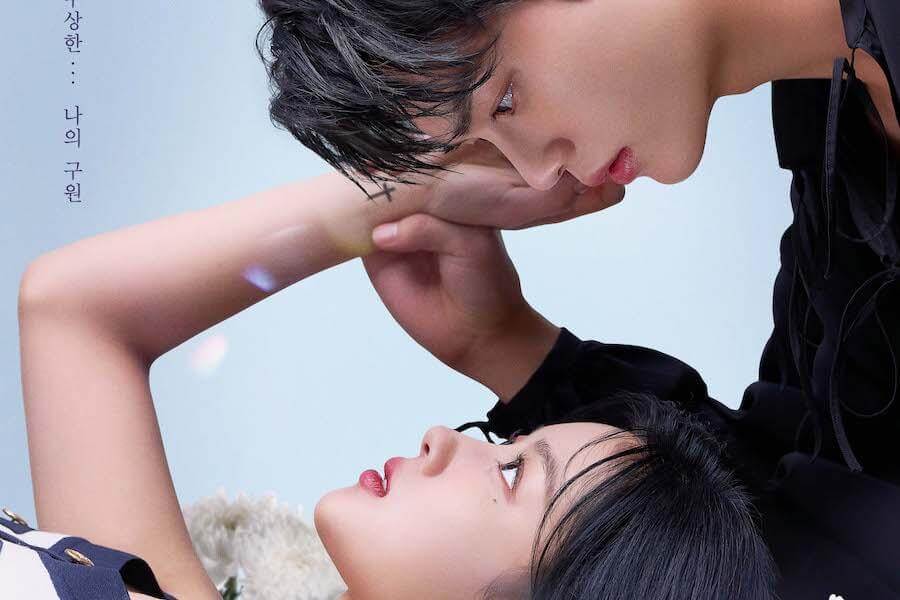


Korean Drama Recap: Marry My Husband Episode 1-2

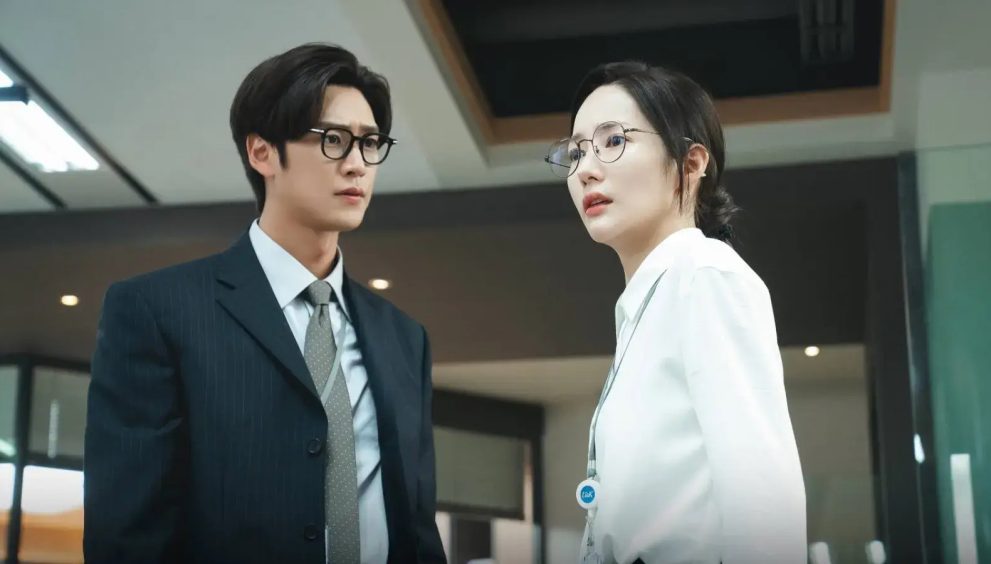
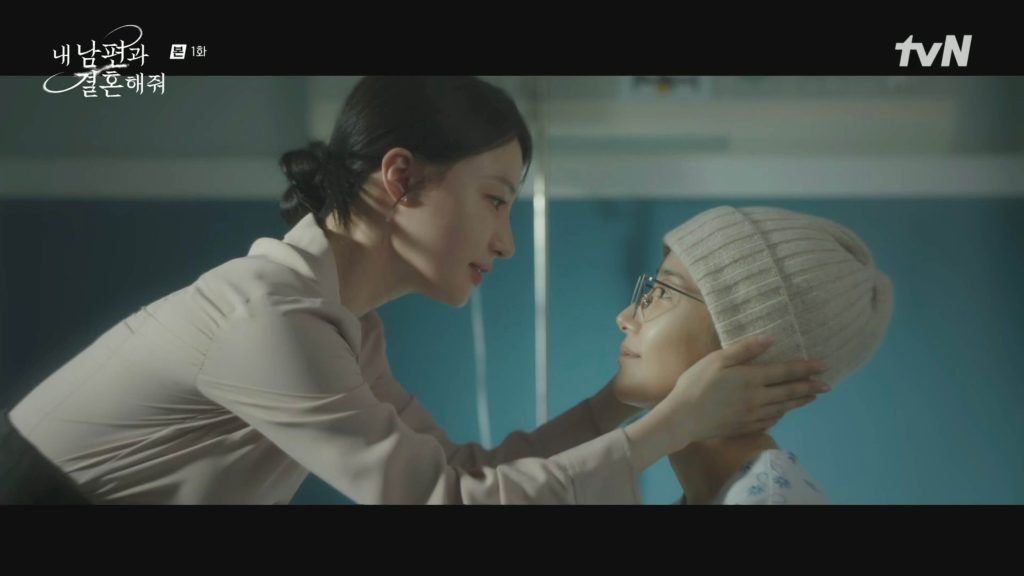
Our tale unfolds with the introduction of Kang Ji-Won (played by Park Min-young), a beleaguered heroine confined to a hospital bed. The diagnosis is grim: stage four gastric cancer, giving her a mere six to twelve months to live. With both of her parents absent from the scene, Ji-Won quietly endures the mistreatment from her unpleasant mother-in-law.
Enter her husband, Park Min-Hwan (embodied by Lee Yi-kyung), whose deficiencies as a partner are glaring. A fervent mama’s boy, Min-Hwan’s expectations of Ji-Won mimic those of a maid, and his response to her cancer revelation is shockingly callous. Rather than expressing concern for her well-being, his primary worry is the inconvenience of not having her prepare his meals if she falls ill. To add to the litany of troubles, Ji-Won’s purported best friend, Jung Soo-Min (brought to life by Song Ha-yoon), is unmasked as a clandestine conspirator, engaging in steamy trysts with Min-Hwan.
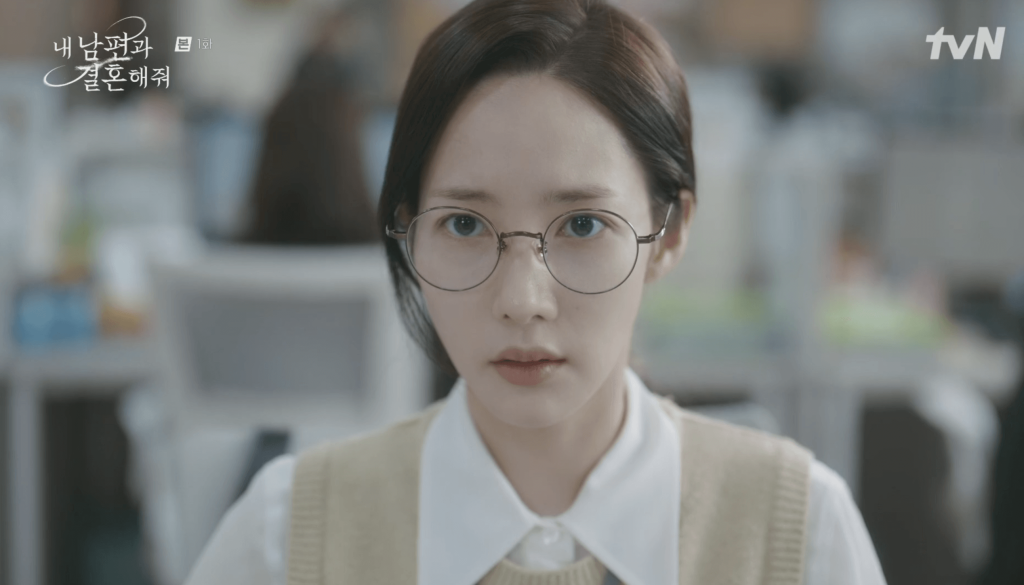
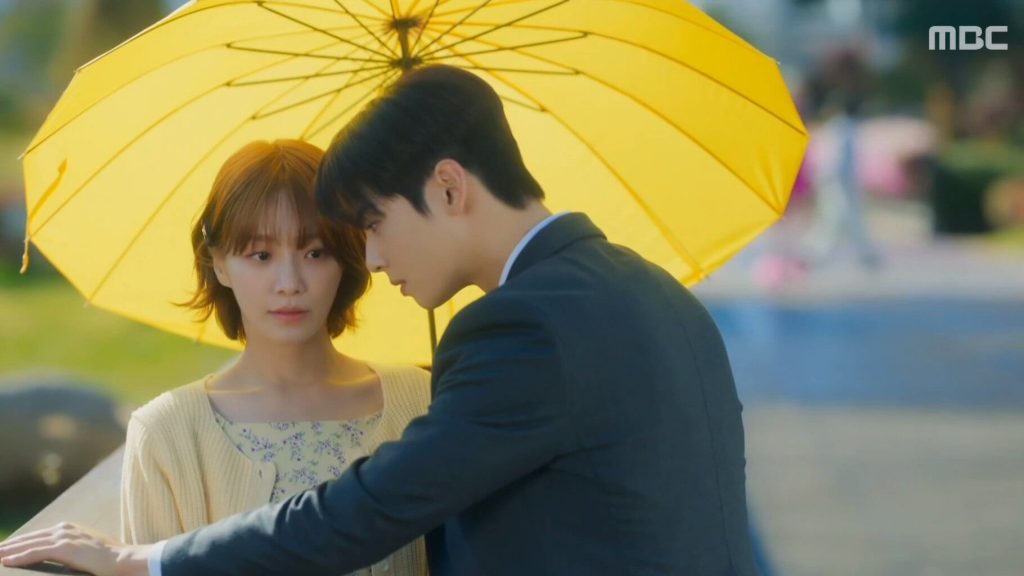
However, a twist of fate intervenes, granting our terminally-ill protagonist a miraculous second chance at life. The premiere of this exhilarating and empowering series holds immense promise. Ji-Won, burdened with unpaid hospital bills from her supposedly familial moochers, is forced to take a taxi home. During the ride, she confides in the driver about her hardships. The compassionate driver takes her on a detour down a picturesque cherry blossom road, imparting wisdom about exploring different paths in life. Refusing payment, he suggests considering it an allowance from her father.
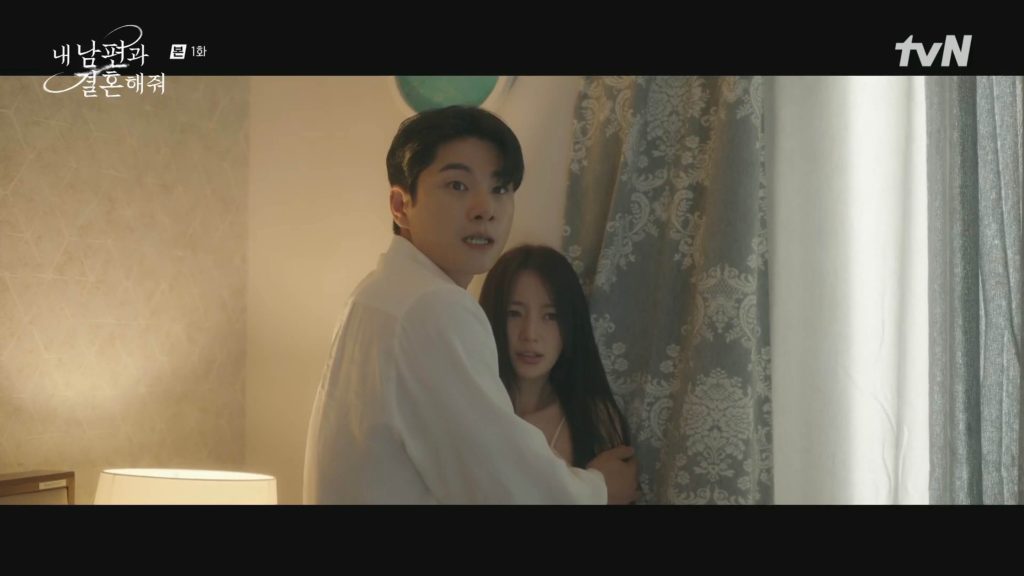
Returning home, Ji-Won is confronted with a harsh reality—her husband and best friend are caught in an intimate embrace, callously discussing the windfall they anticipate from Min-Hwan’s cancer insurance after Ji-Won’s demise. Heartbroken, Ji-Won confronts the deceitful pair, leading to a violent confrontation that ends tragically with Ji-Won bleeding to death.
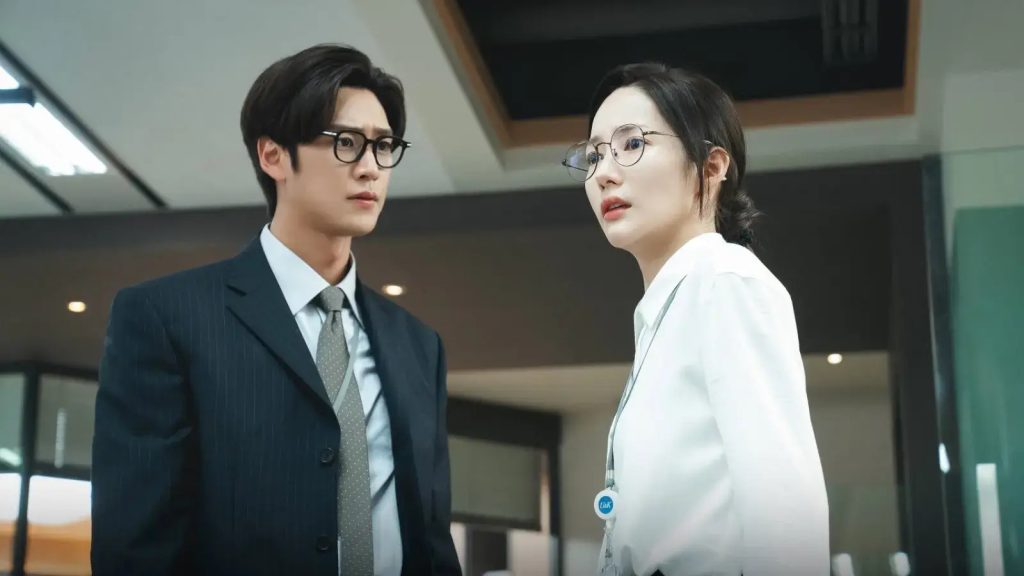
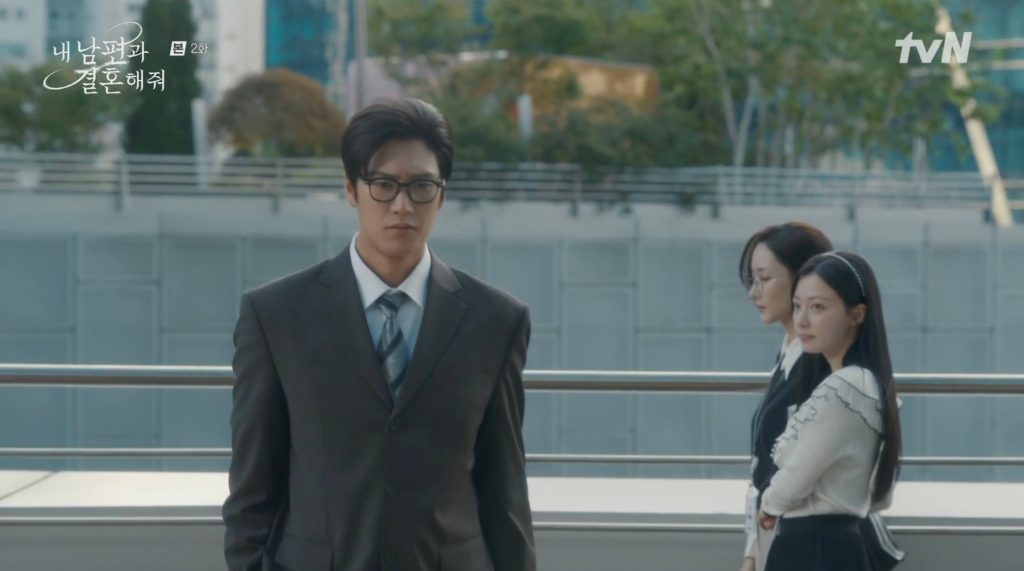
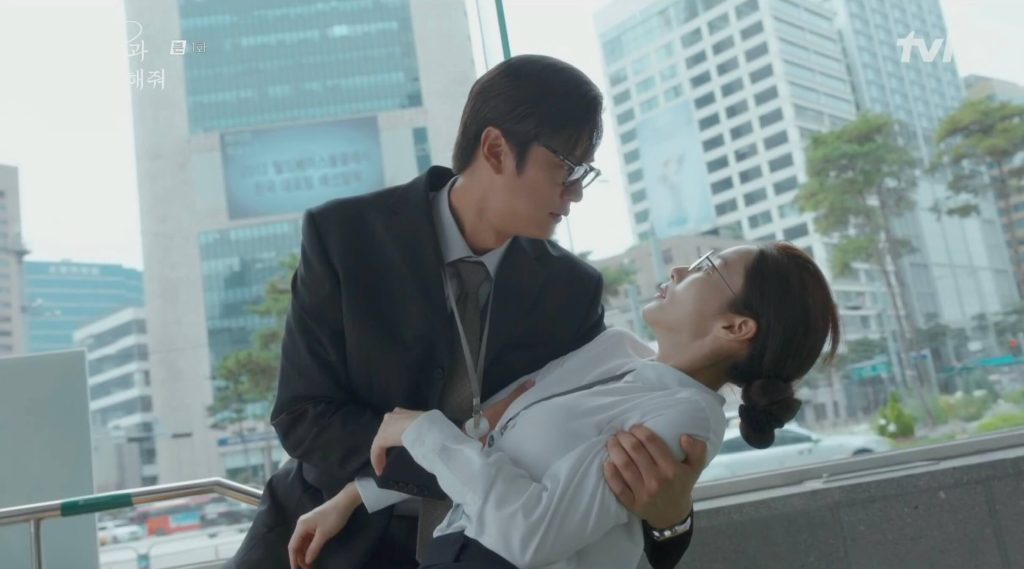
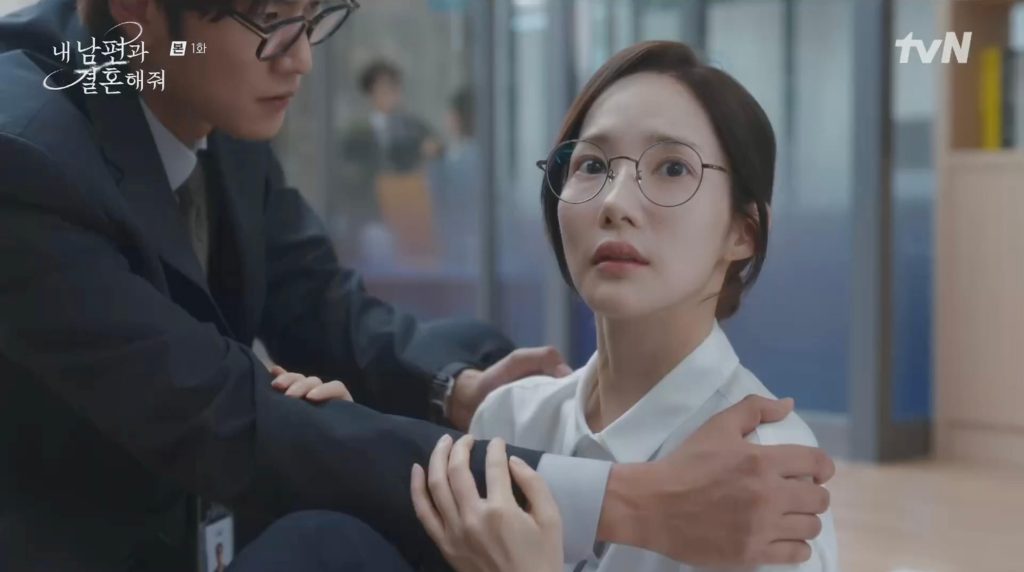
In a surprising turn of events, Ji-Won finds herself back in her office, face-to-face with her unfaithful husband. Still reeling from betrayal, she impulsively attacks Min-Hwan, only to be saved multiple times by the enigmatic Yoo Ji-Hyuk (played by Na In-woo). Ji-Hyuk, with an endearing nerdy charm, intervenes and even appears to possess an uncanny knowledge of Ji-Won’s troubles. The question arises: could Ji-Hyuk also be a time traveler?
Though Ji-Hyuk remains mostly in the background, his likable and intriguing qualities are evident. He consistently appears at crucial moments for Ji-Won, prompting speculation about his role in her life. Furthermore, his thoughtful and considerate demeanor sets him apart, offering Ji-Won the support and reassurance she sorely lacked. An additional bonus unfolds as Ji-Hyuk becomes the CEO of his father’s company in 2021.
Dropped into a second chance at life, Ji-Won quickly realizes she has time-traveled to 2013, a decade before her tragic fate. Armed with knowledge from the future, she decides to make strategic investments to secure a better future. Unmarried to Min-Hwan and still cancer-free, Ji-Won seizes the opportunity to change her destiny.
The mysterious resurrection finds its explanation as Ji-Won discovers a note in her pocket with a heart drawn on it, the same way her late father used to doodle. Revisiting the taxi scene, she realizes her father was the driver, gifting her a final moment of solace.
Determined to live her life to the fullest, Ji-Won deduces that events will play out as intended, but the involved parties can vary. Crafting a plan, she redirects her unfortunate fate towards Soo-Min, aiming to expose the true nature of her deceitful friend and husband.
The drama blends a satisfyingly fast-paced narrative with Ji-Won’s fervent commitment to self-improvement. She swiftly recognizes the true colors of Min-Hwan and Soo-Min, showcasing resilience and a gradual rediscovery of lost self-worth.
Notably, the series highlights the theme of female solidarity, portraying Ji-Won’s positive influence on others and the reciprocal support she receives. Professional partnerships with individuals like Yang Joo-Ran and friendships with characters like Yoo Hee-Yeon underscore the importance of unity among women. The drama adeptly weaves in realistic depictions of the challenges women face, addressing societal misogyny and presenting uncomfortable yet authentic scenarios.
The storyline successfully balances its entertaining premise with genuine social commentary, portraying the struggles of women alongside zany antics. Ji-Won’s journey to reshape her destiny, the mysterious Ji-Hyuk, and the anticipated comeuppance for Min-Hwan and Soo-Min contribute to a compelling narrative. With cautious optimism, viewers are drawn into the intriguing ride of this time-traveling drama.
As the plot unfolds, the drama is poised to delve deeper into Ji-Won’s quest for redemption and self-discovery. The intricate web of relationships and the underlying mysteries surrounding Ji-Hyuk’s role in her life add layers of intrigue to the narrative. The exploration of societal issues, coupled with the personal growth of the characters, promises a captivating journey that keeps audiences eagerly anticipating each episode.
In conclusion, the drama not only captivates with its time-traveling premise but also resonates with its portrayal of human resilience and the power of second chances. With its well-crafted characters and a narrative that seamlessly weaves between drama and empowerment, this series stands poised to leave a lasting impression on its audience. As the story unfolds, viewers are left on the edge of their seats, eagerly anticipating the twists and turns that will shape Ji-Won’s path to redemption. The journey is just beginning, and with each passing episode, the drama continues to unravel the intricacies of fate, choice, and the indomitable spirit of a woman determined to rewrite her destiny.

